I'm Sorry But It's Not Me, It's YouPete Greig - 4 Jun 2014

There was a spine-tingling, brain-frying little moment in London recently, that left us all reaching first for our school history books and then for our bibles.
It was the final evening of the annual HTB Leaders Conference, and a dignified looking gentleman appeared on stage in front of 6,000 leaders and announced that he was the great, great grandson of Kaiser Wilhelm, the last king of Germany and the man whose choices had effectively triggered the First World War a century ago. The Royal Albert Hall - the venue in which we were gathered - had been named after this man's great great great grandfather by Queen Victoria.
Kaiser Wilhelm's descendent then announced that in this centenary year, he felt he needed to do something unusual. He paused. Then, very deliberately he asked forgiveness for what his family had done a hundred years ago. His son stood beside him as he began to weep. It was a remarkable, unexpected moment. Everyone stood up and started applauding. Some were weeping their absolution. It felt holy. If you'd been there I'm pretty sure you'd have joined in.
.jpg)
The bible often describes such moments of 'identificational repentance' – a point in which leaders like Moses, Jeremiah or Daniel repented on behalf of the people. The ultimate example is of Jesus on the cross; a perfect man taking the blame for the sin of Adam's sons.
Identificational repentance is an important aspect of intercessory prayer but in our hyper-individualistic culture it can seem strange. 'It wasn't me that did it' we object. 'Im not to blame'. But no man is an island. We are active participants in cultures that are fallen. We shape the world around us and it shapes us. More than we sometimes admit. As priestly intermediaries we are called to bridge the gap between human sin and heavens grace.
But the trouble with identificational repentance is that it can be taken too far and done too often. The first leader of 24-7Prayer in Germany lived in Dresden, one of the cities mercilessly bombed into submission by the allies. He once told me how weary he was of all the prayer groups coming to his city to repent of the bombing, who then expected him or one of his German friends to 'forgive' them and respond by repenting for the Second World War! 'I just want to say to them that it wasn't them that did it. And it wasn't my generation either' he said. 'Please, can't we just move on.'
Identificational Repentance is meaningful when the person doing the repenting, and those doing the forgiving, truly have the authority to do so. When Queen Elizabeth II wore Irish green and spoke in Irish on her first official visit to Dublin after so much bloodshed it was a highly significant moment. When Desmond Tutu conducted his Truth and Reconciliation hearing at the end of apartheid, many bereaved people extended radical and costly forgiveness. When the grandson of a Ku Klux Klan member repents of his ancestor's actions to an African American, or the daughter of a man gunned down by the IRA chooses to forgive her fathers killers - these things are powerful acts of spiritual warfare. But when an eighteen year old Canadian tries to repent for the crusades, or a British prayer group apologises for the Dresden bombings at a youth rally more than fifty years after the event... well, it carries rather less weight.
And so back to the Royal Albert Hall - where the direct descendent of the Kaiser who led Germany into the First World War, stands in a building named after his ancestor, in the centenary year of the conflict, at a time of rising nationalism and even racism across Europe, in front of leaders from many affected nations, his repentance was and is extremely powerful, both in heaven where reconciliation begins, and on earth, in that London venue, where we all sensed the unmistakeable smile of God upon that moment...
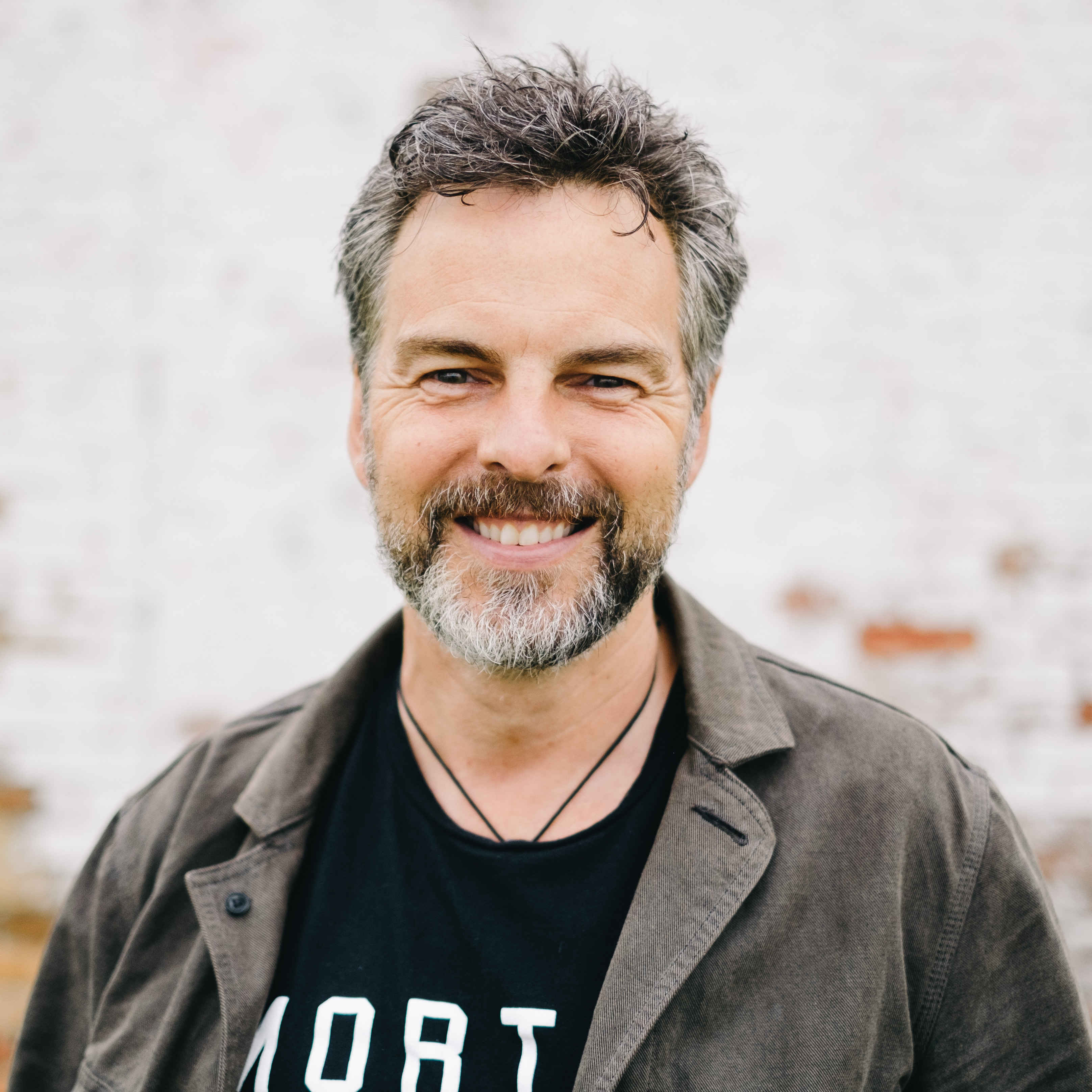
Pete is a best-selling author, pastor and bewildered instigator of the 24-7 Prayer movement which has reached more than half the nations on earth. He is also the Senior Pastor of Emmaus Rd, Guildford, England, an Ambassador for the NGO Tearfund, and teaches at St Mellitus Theological College in London. For 7 years Pete served with the senior leadership team at HTB and Alpha International. Pete's publications include 'Red Moon Rising', 'God on Mute', ‘The Prayer Course’, and 'Dirty Glory'. He loves art galleries, live music and knocking down walls.
Pete tweets regularly @petegreig
Meet Pete